|
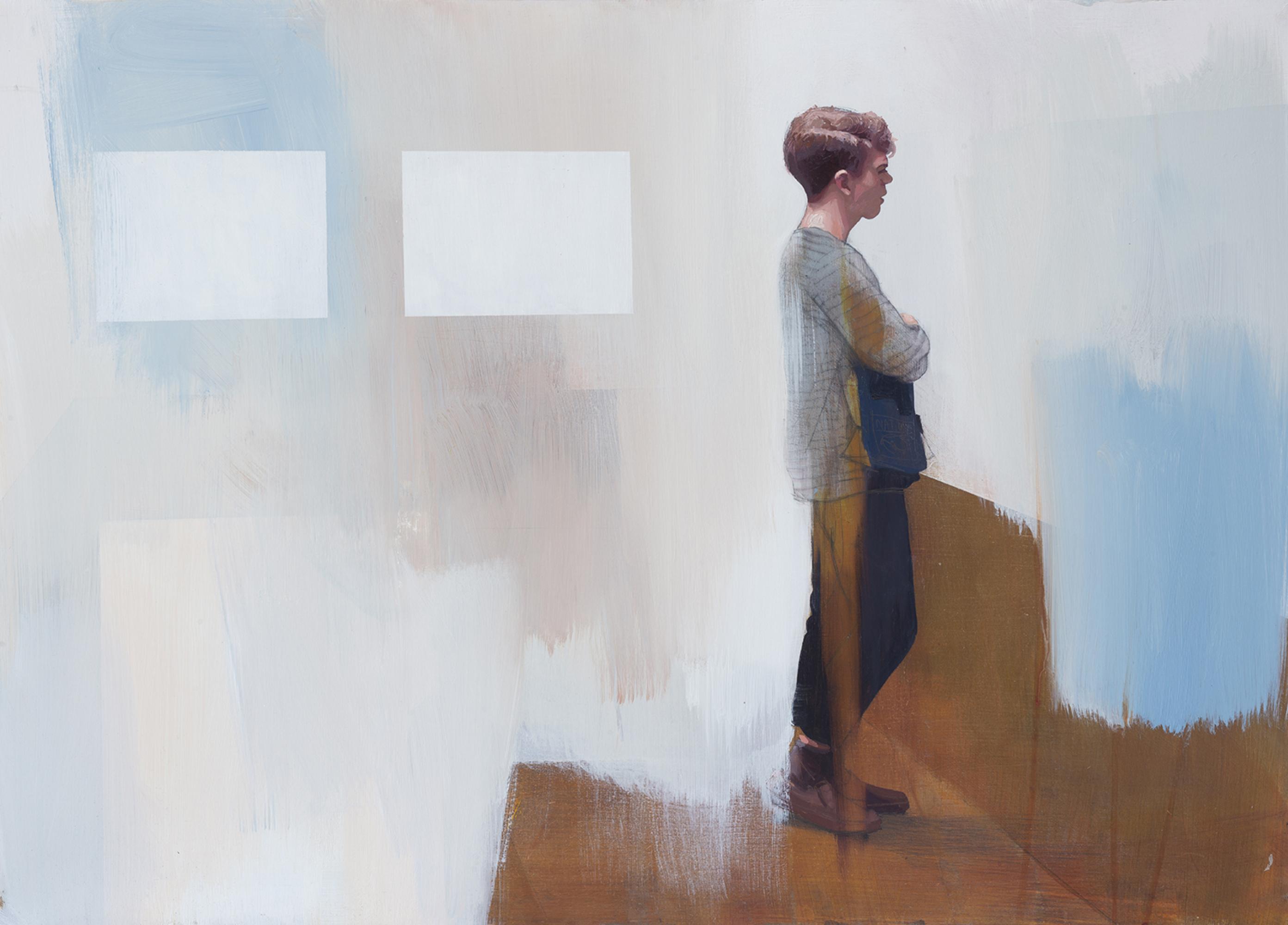
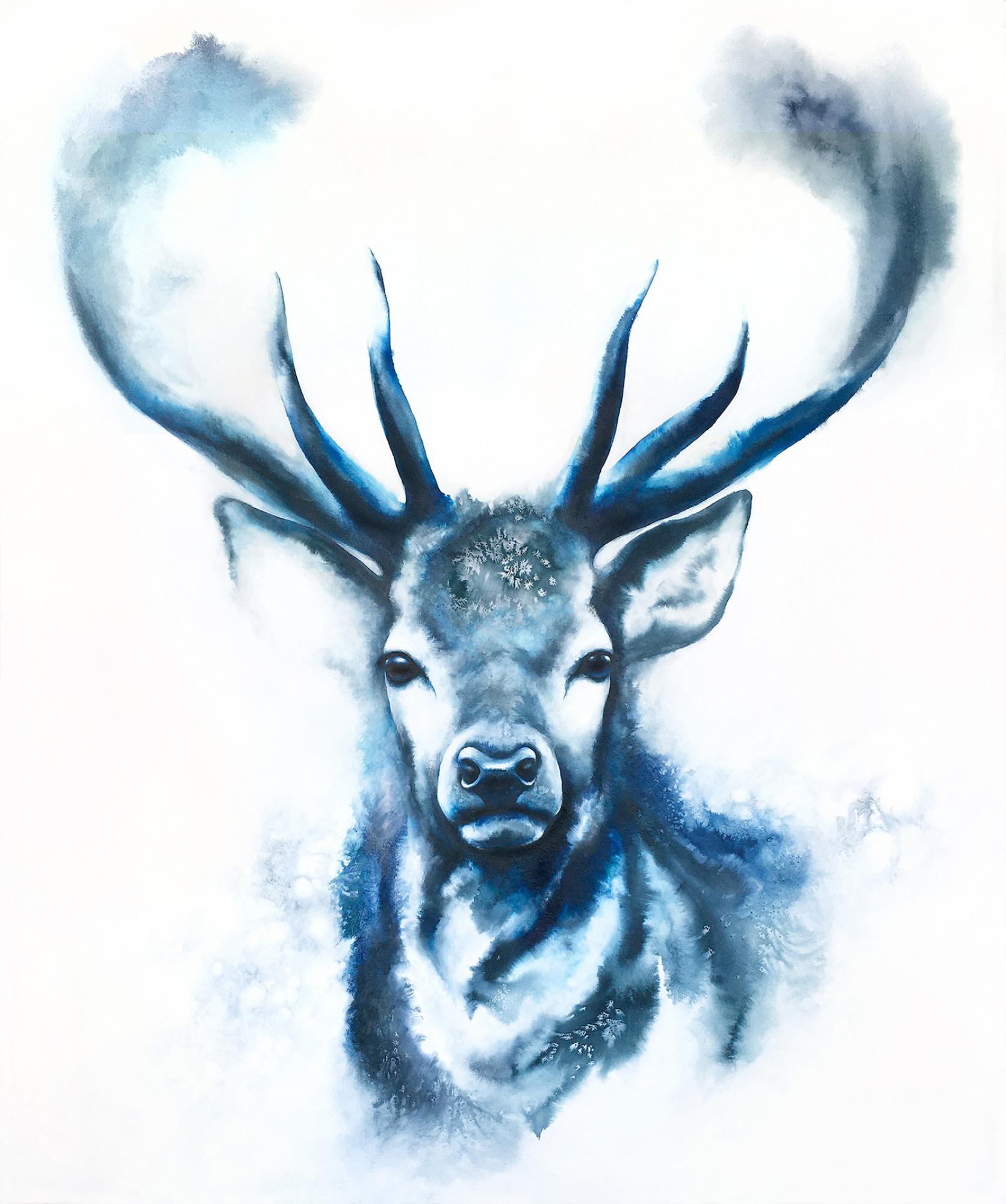
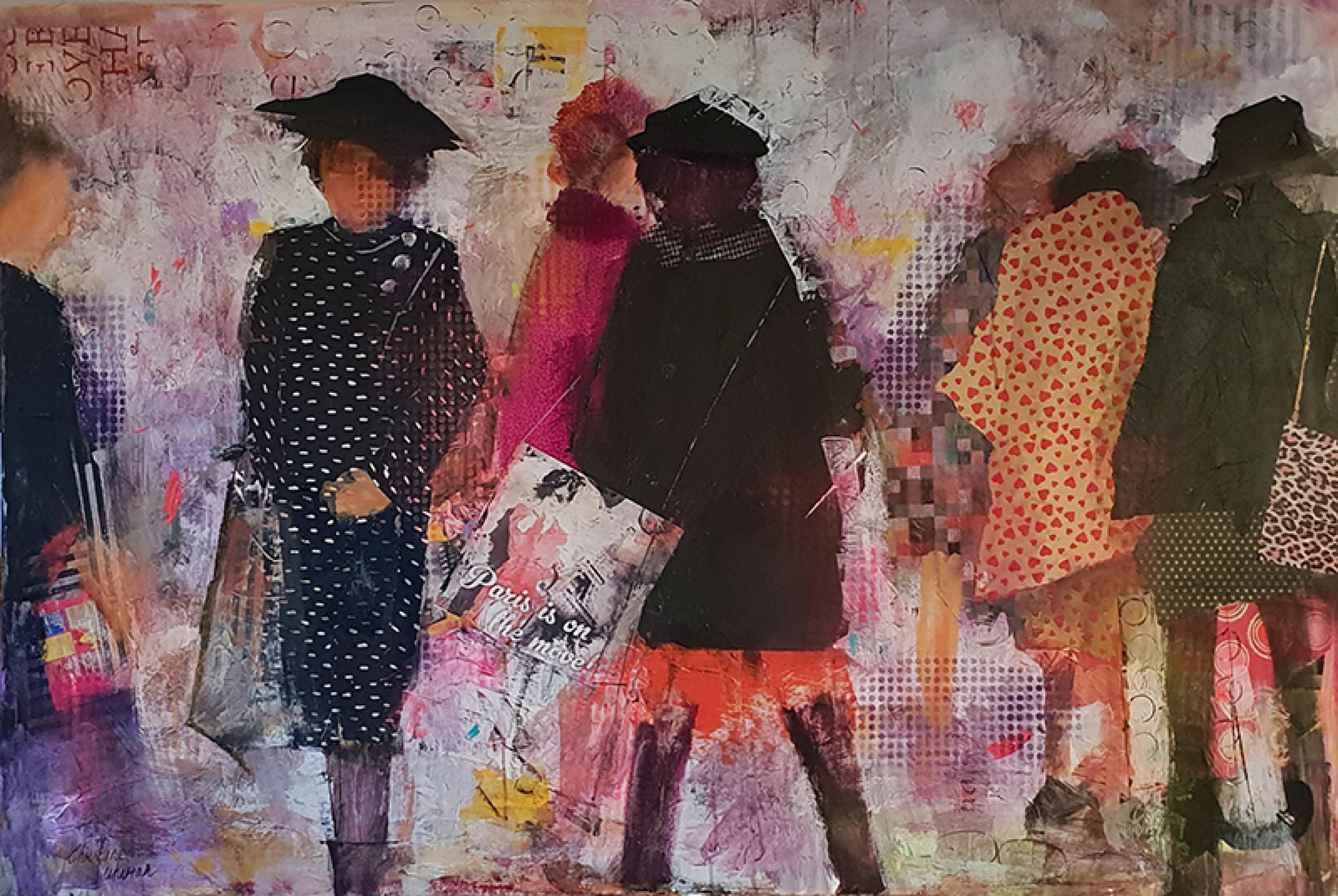
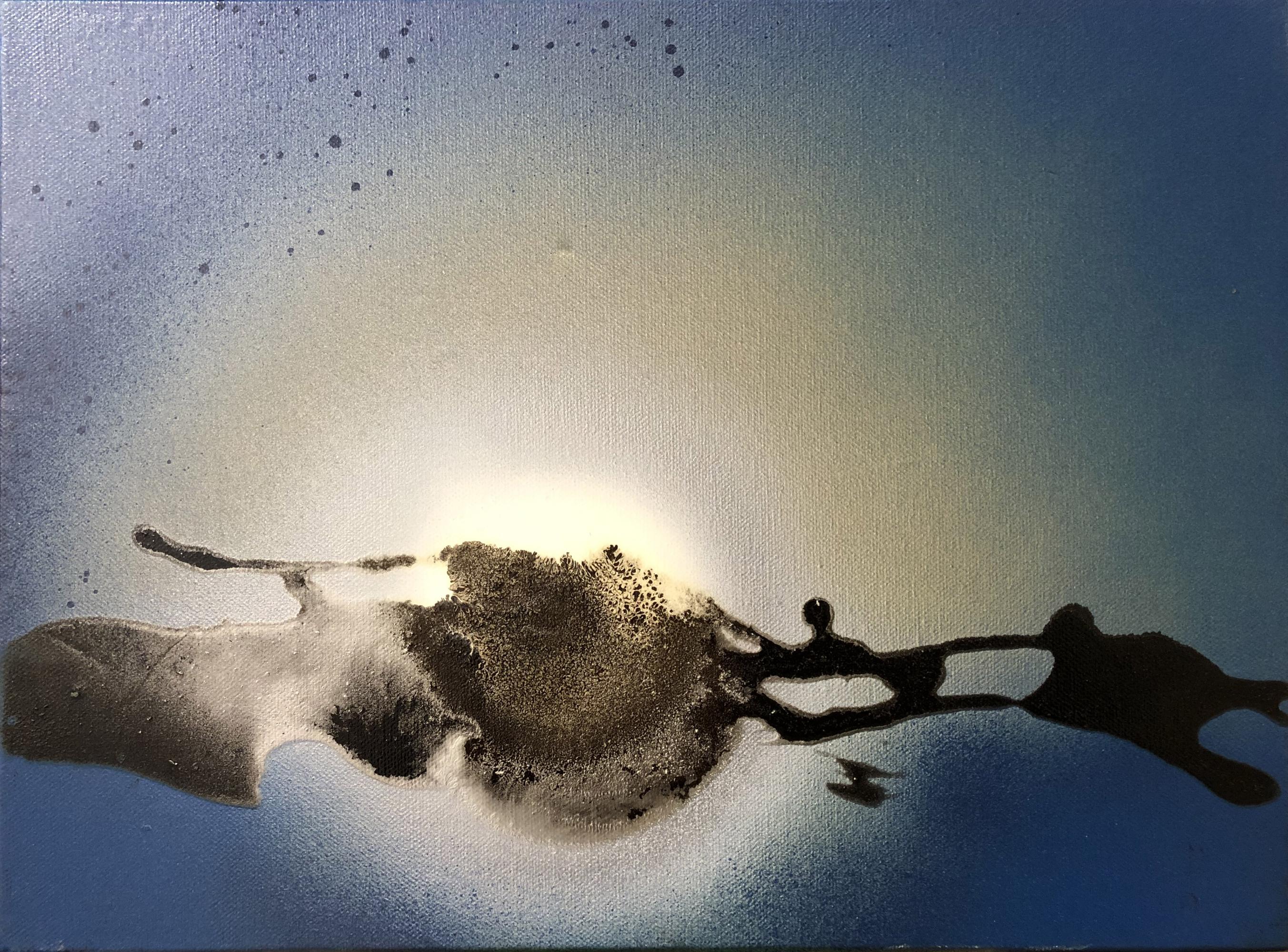
The role of the museum/art gallery within society today, has become a symbol of reflection and peace, whether displaying contemporary works or readdressing the past through more politically attuned pieces. Likewise, the role of art has grown to encompass therapeutic values to help and maintain physical and mental wellness, in conjunction with this. The Phillips Collection (Washington D.C.), founded in 1921, demonstrates the shift in the role of the art gallery. Established as a result of the Spanish Influenza Pandemic in 1918, the museum was founded by Duncan Phillips to pay homage to his father and brother, who both fell ill, and later died from the flu. The Phillips Collection was then to become a museum ‘for the people’, in which visitors could find solace. This ethos of the museum, has continued to work into the modern day where last year, an Annual Artists of Conscience Forum was held, focused on engaging veterans with art therapy to help deal with post-war mental health challenges. Such programmes have since been supported by the publishing of the World Health Organisation’s inquiry ‘What is the evidence on the role of the arts in improving health and well-being?’, in 2019. In the inquiry, Daisy Fancourt and Saoirse Finn address this notion by stating, ‘[t]he arts are being used to help military veterans to engage with health issues, for example […] art appreciation classes for veterans with severe mental illness in recovery centres’.[i] In this way, through the exploration of forms, colours, and textures the mind is focused purely on the art, aiding towards complete mindfulness. Alain De Botton, author of Art as Therapy, poignantly expresses this. Art ‘is a vehicle through which we can do such things as recover hope, dignify suffering, develop empathy, laugh, wonder, nurture a sense of communion with others and regain a sense of justice and political idealism.’[ii]
|